
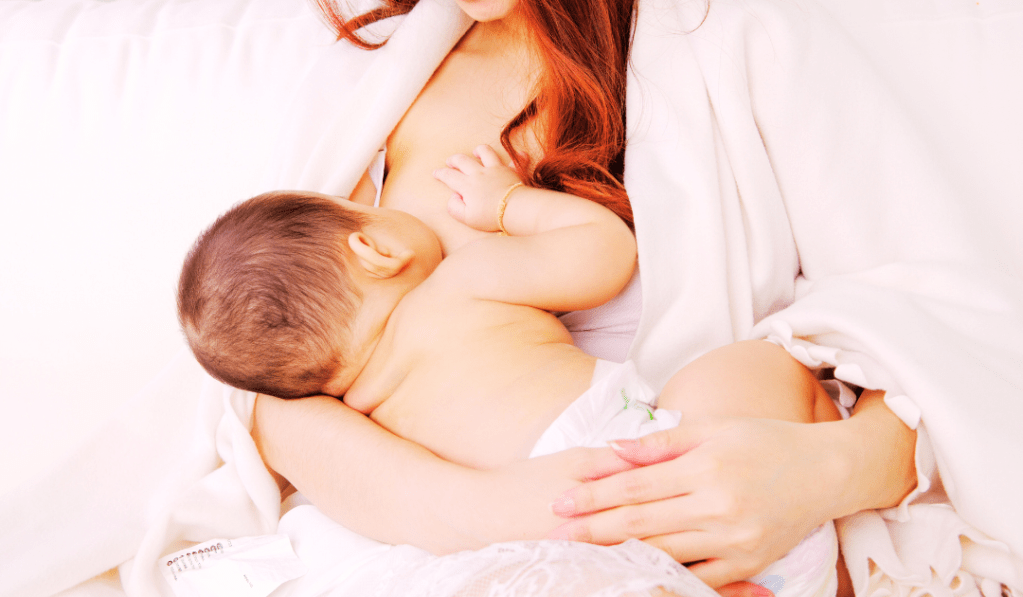
Western culture is known for praising productivity and one’s ability to shun rest in favor of work, work, and more work. While this is a generally damaging ideal considering the limits and requirements of the human body, it is especially so when it comes to mothers and postpartum.
The newly postpartum body has been through a trauma—one that requires a significant amount of time to heal from, and the western world’s obsession with independence and productivity can hinder new mothers from healing in a way that impacts the mind and body for the rest of their lives. The mental and physical load of caring for a newborn are taxing even with the best support network, but most women now face postpartum without any help at all— a glaring disparity between what was once the norm for new mothers.
Cultures all over the world uphold the first month postpartum as a sacred time that must be conducted properly in order for the new mother to preserve her health. There are basic tenants shared across cultures that place emphasis on practices that cater to the postpartum physiology.
Many of these cultures—from Korea, to Guatemala, to Morocco—all emphasize the importance of eating only hot foods and staying off one’s feet. Some include specific massages for pain, or stomach binding for back health. Hot foods serve not only to ensure that the mother does not experience food poisoning, but to aid the immune system and muscle recovery. It is said in many Asian cultures that a new mothers scalp must never get cold, as doing so will damage the immune system but can make her susceptible to headaches for the rest of her life.
After a woman gives birth, her back is not capable of withstanding too much pressure, as her bones have all shifted due to a hormone known as relaxin (heavy lifting would be the equivalent of working out with a sprain and exacerbating the injury). The rules of “zuo yue zi” (sitting the month) dictate that a new mother spend the first month mostly in bed. She is not to carry anything heavy or even stand for too long, which means that even the lightest of household tasks are off limits. This means that the mother will need assistance in maintaining the home— with cooking and cleaning and even a portion of the infant care.
Historically, a new other would have access to a network of women, such as the mother, grandmother, aunts and in-laws to take over these duties and allow her to properly rest. However, it is almost unheard of for mothers now to have so many family members around. It is sadly not uncommon for her to have not even one or for in-laws and family members to make a stressful situate even worse. This stress leaves her newly postpartum body vulnerable to damage. Postpartum depression is largely a result of lack of support for such tasks, which seem so basic yet require more time and energy than any new mother could ever possibly have. All mothers know that something as simple as taking a shower can be impossible without help. The exhaustion of all night feedings and the over stimulation of a newborn’s cries are overwhelming in any situation, but the lack of sleep and physical pain of postpartum leave many stressed to the point of mental and emotional distress.
How a Postpartum Doula Can Help
This is where postpartum doulas come in. A postpartum doula’s job goes far beyond assisting with household chores. She also takes on the task of providing the new mother with nourishing foods and herbal teas and soups designed to aid the specific needs of the new mother as her condition changes. She can also care for the baby to allow the mother to get rest between feedings. Postpartum doulas are a great alternative to family help, as they listen to your specific wants and needs as apposed to rigid enforcement of rules. This allows the mother to choose which parts of “zuo yue zi” are a good fit for her life and which are undesirable or just too uncomfortable (like the rules against air-conditioning and showering).
Postpartum doulas are especially popular throughout Asia. I have had a wonderful experience here in Taiwan with two of my postpartum periods. If you are in Taiwan and looking for postpartum help, Qun-Hong Chen, a local postpartum doula who specializes and is licensed in childcare, nutrition, and traditional herbal medicine, is currently offering her services in Taiwan. Most doulas are only licensed in childcare, but Qun-Hong ensures that her clients are getting enough nutrients to feed their babies, and she has formulated her own teas and soups with herbs that aid in postpartum recovery including red dates, longan, ginger, goji berry, astragalus, angelica, and a special tea made of roasted black beans that all help to support milk production, recovery, and detoxification.
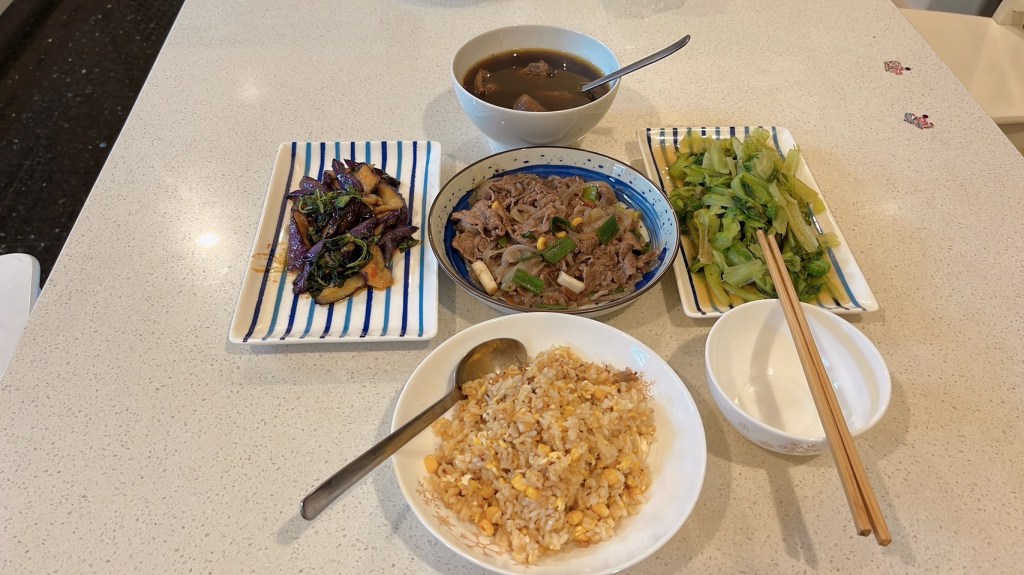
Qun-Hong is currently offering shifts of nine or twelve hours. She also offers full time live-in 24 hour care. She can adjust to your specific needs and will prepare food in accordance with your preferences. She also helps with baby’s bath time and is trained in massage techniques to help baby’s digestive system. I loved that she was able to care for my older children so that I could have time to get to know my new baby. I’m prone to migraines in the first few months postpartum, and she even gave me nightly head and neck massages to alleviate the pain. She is attentive and kind, and I can’t recommend her enough!
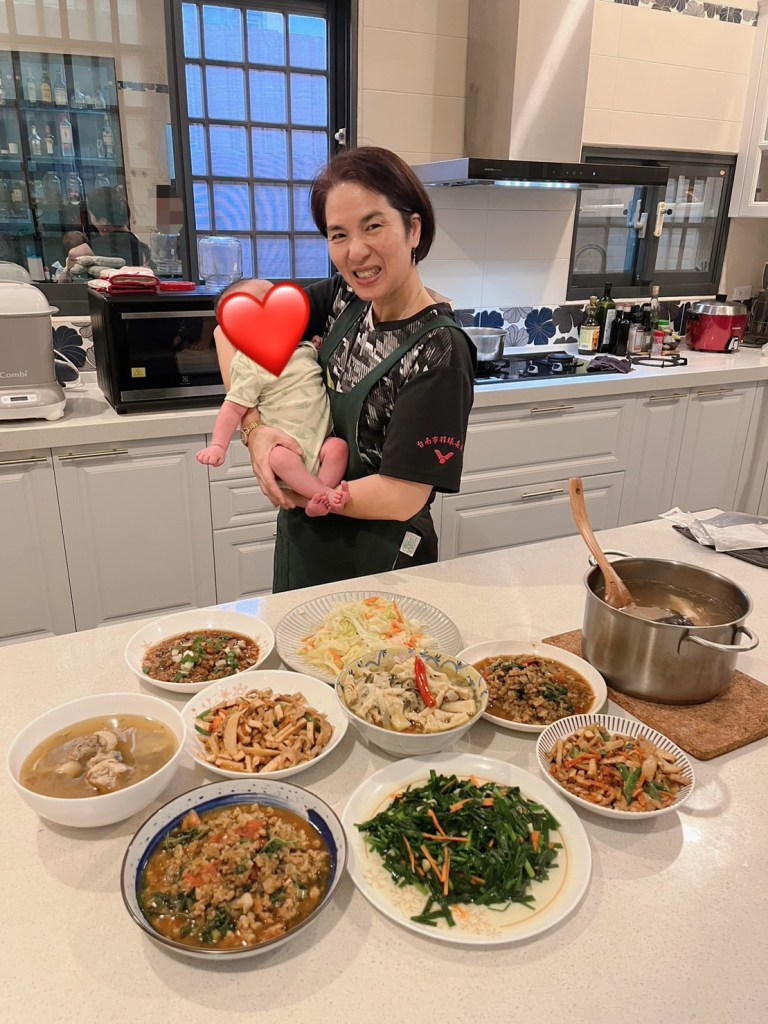
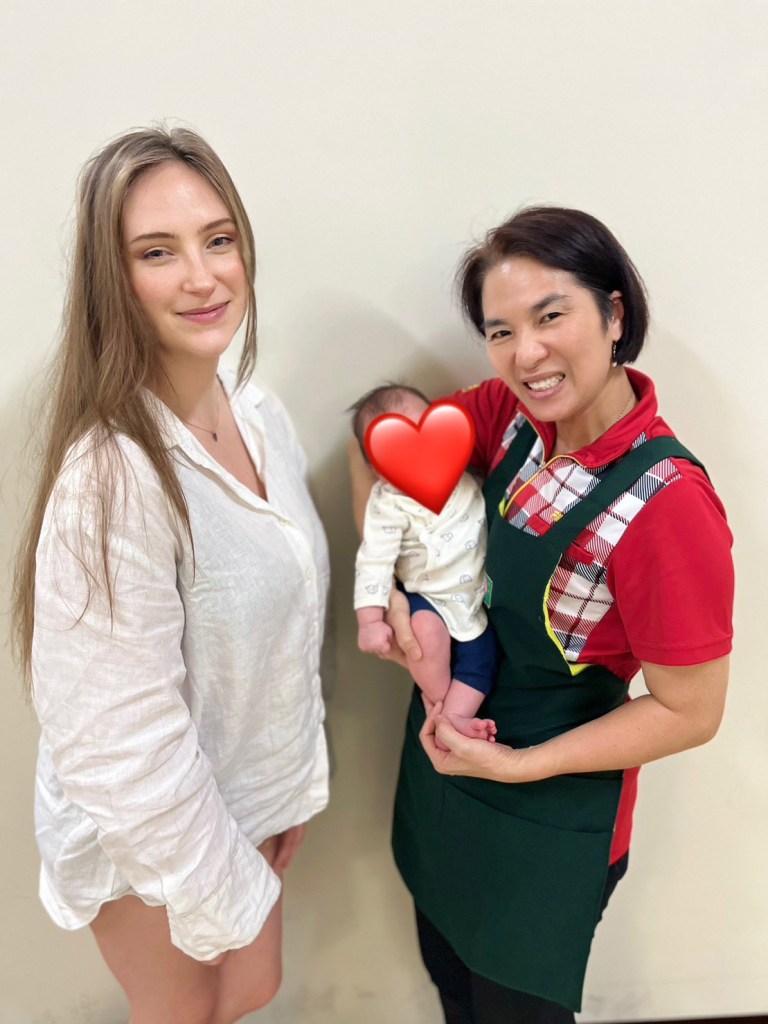
Having experienced my first postpartum period without a doula, I can safely say that having that level of care in the vulnerable first month made all the difference in my mental and physical health. All women deserved that kind of support and care, and as I have no family here in Taiwan, having the option of a postpartum doula has been amazing. I’m so grateful that I’ve been able to experience new motherhood the way it was meant to be, which is recovering and enjoying a peaceful time with my newest baby!
If you are in Taiwan and looking for a postpartum doula, you can contact Qun-Hong Chen by phone at 0909-999-738, Line ID: 0909999738.
(Qun-Hong is in high demand, so please contact her at least six months in advance for a booking.)
 Bod Electrik
2 responses to “Sitting the month; traditional postpartum care”
Very nice!
LikeLike
Very nice 💯
LikeLike